
Rocamadour
The sacred clifftop village of the Lot
Clinging to a sheer limestone cliff above the Alzou Canyon, Rocamadour is one of the most breathtaking and storied villages in France. Known as both a medieval pilgrimage site and a jewel of the Lot region, Rocamadour combines history, legend, and natural beauty in a way few places can.
A Town Discovered Through Legend
Rocamadour’s fame began in the 12th century, when the perfectly preserved body of a hermit—believed to be Saint Amadour—was discovered in a cliffside tomb. This miraculous find drew pilgrims from across Europe, who flocked to venerate the relics and seek blessings from the Black Madonna, a wooden statue housed in the sanctuary above the village. The discovery transformed the once-quiet valley into one of the most important stops on the medieval pilgrimage route to Santiago de Compostela.
Growth of a Pilgrimage City
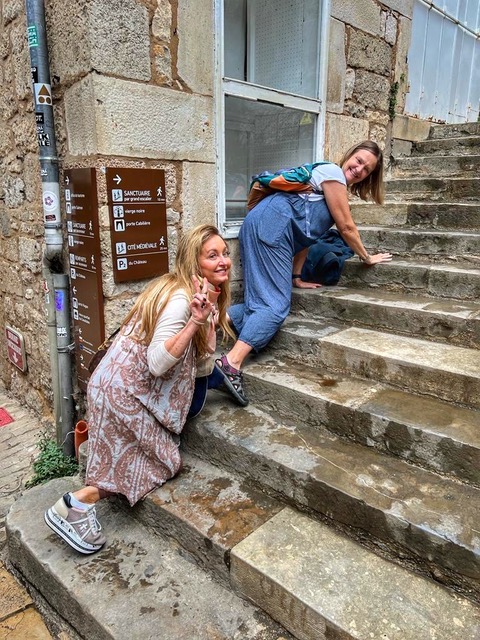
From the 12th to 14th centuries, Rocamadour developed rapidly as a spiritual and cultural hub. Chapels, sanctuaries, and a majestic basilica were built into the cliff face, linked by a monumental staircase of nearly 200 steps—many pilgrims climbed it on their knees in penance. Inns, shops, and artisans flourished along the narrow main street below, serving the thousands who passed through each year.
Rocamadour in the Hundred Years’ War
During the Hundred Years’ War (1337–1453), Rocamadour’s strategic location and wealth made it a target. The town suffered attacks, looting, and a decline in pilgrimage traffic as conflict ravaged the region. Yet, despite these hardships, the sanctuary endured, and devotion to the Black Madonna never disappeared. After the war, Rocamadour slowly regained its prominence as a spiritual destination.
Art and Cultural Heritage
Art has always been intertwined with Rocamadour’s identity. The sanctuaries are filled with Romanesque and Gothic details, frescoes, and carved stone portals that reflect the faith and artistry of the Middle Ages. Pilgrimage tokens bearing Rocamadour’s emblem were carried across Europe, spreading its fame far beyond France. In more recent times, the town has inspired painters, photographers, and writers captivated by its dramatic setting and mystical aura.
The Lavender of Rocamadour
The landscapes surrounding Rocamadour are dotted with fields of lavender, whose purple blooms fill the air with fragrance in summer. Lavender has been part of the region’s culture for centuries, valued for its beauty, medicinal uses, and role in local crafts. Today, visitors can find lavender products—oils, soaps, sachets—in the village shops, linking the natural heritage of the Lot valley with Rocamadour’s enduring charm.
Rocamadour Today
Recognized as part of Les Plus Beaux Villages de France, Rocamadour is both a thriving tourist destination and a place of living faith. Pilgrims still climb the Grand Staircase to honor the Black Madonna, while travelers from around the world come to marvel at the village clinging to its cliffside. With its history of miracles, resilience through wars, and timeless beauty, Rocamadour continues to be a place where the sacred and the earthly meet.